Creating a home workspace that is both cozy and functional can greatly enhance your productivity and well-being. Whether you are working remotely full-time or need a dedicated spot for occasional tasks, designing a space that feels comfortable yet efficient is key. In this post, we’ll explore practical tips to help you create a home office that supports your work and inspires focus.
Why a Cozy and Functional Workspace Matters
A workspace should do more than just accommodate your equipment; it should support your working style and reduce distractions. When your environment is cozy, it can help lower stress and keep you motivated. Functionality, on the other hand, ensures that your setup is practical and promotes smooth workflow without unnecessary clutter.
Choosing the Right Location
Consider Natural Light
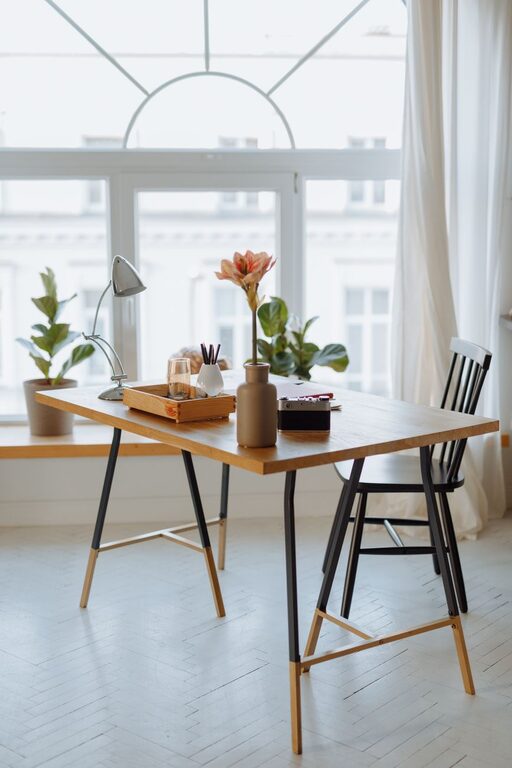
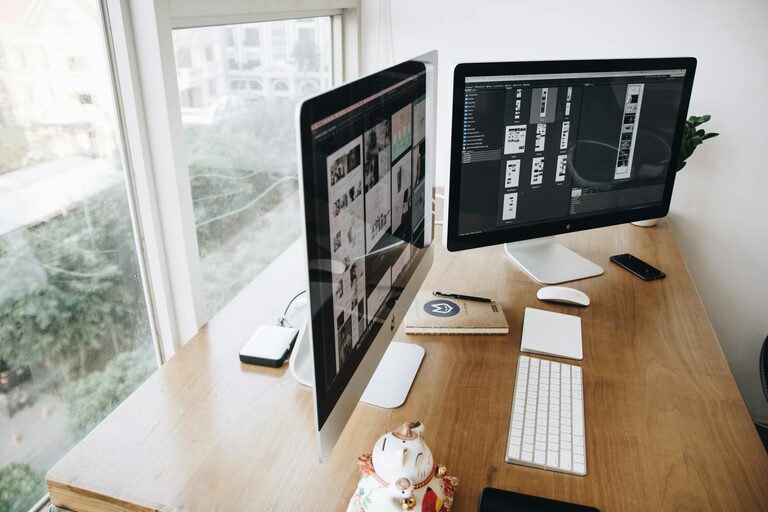
Select a spot with plenty of natural light, if possible. Sunlight can improve mood and energy levels throughout the day. Position your desk near a window but avoid glare directly on your computer screen.
Minimize Noise and Interruptions
Choose a quiet area where you can focus without frequent interruptions. This might mean using a spare room, converting a corner in the living room, or even setting up a nook in your bedroom.
Furniture That Fits Your Needs
Invest in a Comfortable Chair
Since you’ll likely be seated for long periods, a supportive and ergonomic chair is essential. Look for adjustable features to promote good posture.
Opt for a Desk With Enough Space
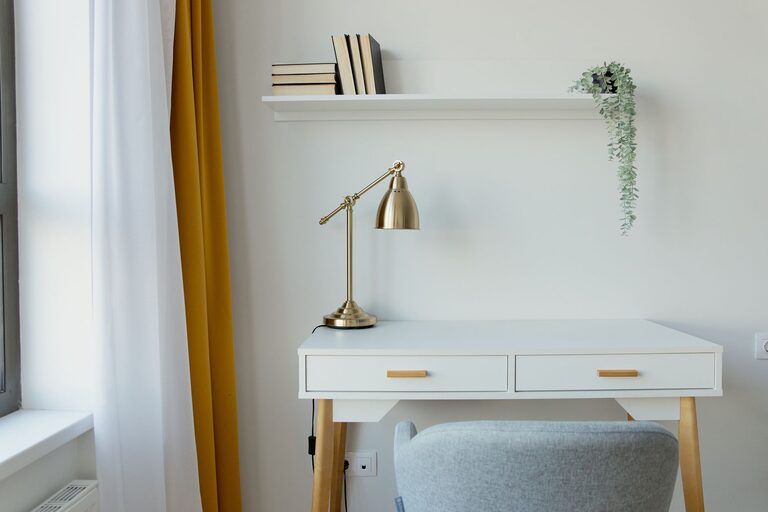
Your desk should accommodate your computer, supplies, and any other tools you need while leaving room to work comfortably. Desks with drawers or shelves can help keep things organized.
Use Multi-Functional Furniture When Needed
If space is limited, consider a fold-out desk, a wall-mounted workstation, or furniture that doubles as storage to maximize utility.
Organizing Your Workspace
Declutter Regularly
Keep only the essentials on your desk to reduce distractions. Use organizers, trays, or containers to store smaller items like pens, paperclips, and notes.
Create Dedicated Zones
Separate areas for computer work, writing, or brainstorming can help you focus on specific tasks. This could mean having a whiteboard nearby or a pinboard for important reminders.
Manage Cables Efficiently
Tidy up cables with clips, sleeves, or under-desk organizers to avoid tangles and create a cleaner look.
Personalizing Your Space for Comfort
Add Plants for Freshness
Houseplants can improve air quality and add a calming, natural element to your workspace.
Use Soft Textiles
Incorporate cushions, rugs, or throws to make the space feel warm and inviting.
Display Items That Inspire You
Photos, art, or motivational quotes can personalize your area and boost morale without creating clutter.
Lighting Tips for a Cozy Atmosphere
Combine Task and Ambient Lighting
Use a desk lamp to focus light where you need it most and softer overhead or side lighting to maintain a warm atmosphere.
Choose Bulbs With Warm Color Temperature
Warm, soft light is easier on your eyes and creates a relaxing environment compared to harsh, bright white lights.
Establishing a Routine and Boundaries
Define Work Hours
Set clear start and end times to help separate work from personal life, especially when sharing your living space.
Keep Your Workspace for Work Only
Resist turning your home office into a leisure zone to maintain a mental distinction between work and relaxation.
Technology and Connectivity
Ensure Reliable Internet
Good connectivity is vital for smooth remote work. Place your router strategically or consider a wired connection if possible.
Use Headphones or Noise-Canceling Devices
These can help block out background noise and improve concentration during calls or focused work.
Finishing Touches
Maintain Your Workspace
Spend a few minutes each day tidying up to keep your workspace inviting and ready for the next work session.
Experiment and Adjust
Your needs may change over time. Don’t hesitate to rearrange, add new elements, or remove what no longer works.
—
Creating a cozy and functional home workspace is a personal process that involves balancing comfort with practicality. By choosing the right location, investing in the right furniture, organizing efficiently, and adding personal touches, you can design a workspace that helps you focus and feel at ease. Taking the time to set up such a space is an investment in your productivity and well-being.
About the Author