Creating a home workspace that is both productive and inspiring can make a big difference in how you work and feel throughout the day. Whether you’re working remotely, studying, or managing personal projects, having a dedicated area that encourages focus and creativity boosts your efficiency and overall well-being. Here are practical tips to help you design the perfect home workspace.
Choose the Right Location
Find a Quiet and Comfortable Spot
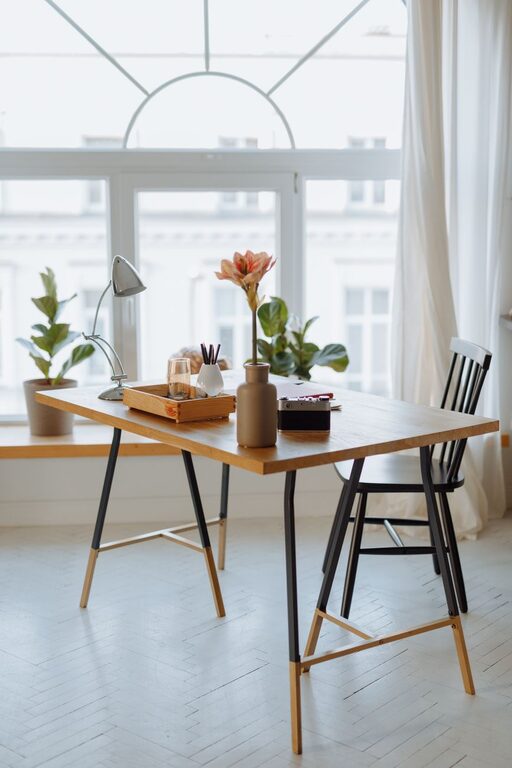
Start by selecting a quiet area of your home where you can minimize distractions. Ideally, this should be a space separate from high-traffic zones to help you concentrate better. If possible, pick a spot near a window to benefit from natural light, which can increase alertness and improve mood.
Consider Space and Privacy
Make sure the space has enough room for your equipment (like a desk, chair, and computer) and allows you to move comfortably. Privacy is important, so think about how to create boundaries—using room dividers or curtains—to help mentally separate work from leisure.
Invest in Ergonomics
Choose a Supportive Chair
A comfortable chair with good back support is key. Sitting for long hours needs to be as healthy as possible to avoid fatigue or strain. Look for adjustable chairs that let you change height and angle.
Set Your Desk Properly
Your desk height should allow your wrists to rest comfortably while typing, and your monitor should be at eye level. This helps maintain good posture and prevents neck or shoulder pain.
Optimize Lighting
Use Natural Light When You Can
Natural light reduces eye strain and elevates mood. Position your desk so that light comes from the side rather than directly in front or behind your screen, to avoid glare.
Add Task Lighting
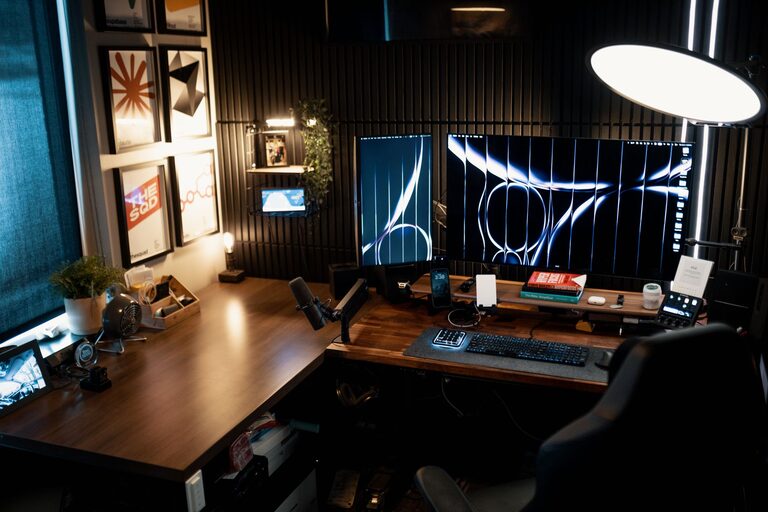
For darker days or evening work, invest in adjustable desk lamps with soft white light to illuminate your workspace without harsh shadows.
Keep Your Workspace Organized
Declutter Regularly
Remove unnecessary items from your desk daily to maintain focus and reduce stress. A clean workspace encourages a clearer mind.
Use Storage Solutions
Incorporate shelves, drawers, or boxes to keep supplies and papers neatly arranged. Label storage containers to find things quickly.
Limit Distractions
Keep personal gadgets like phones either silent or out of reach to avoid interruptions. If you need music for concentration, use playlists that suit your taste but don’t distract you.
Personalize Your Space
Add Inspirational Elements
Decorate with items that motivate you, such as photos, plants, or artwork. Personal touches make your workspace feel inviting and help sustain long work sessions.
Use Colors Wisely
Colors can affect mood and productivity. Soft blues and greens are calming, while yellows and oranges can stimulate creativity. Choose a palette that fits the vibe you want to create.
Incorporate Break and Movement Areas
Create a Stretch or Relaxation Spot
If your home office allows, set aside a small corner with a mat or chair where you can stretch or take short breaks. Brief physical activity helps reduce fatigue and refresh your mind.
Set Reminders to Move
Sitting for hours isn’t healthy. Use alarms or apps to remind yourself to stand, stretch, or walk every hour.
Use Technology to Enhance Productivity
Select the Right Tools
Use software and apps that help with time management, task tracking, and focus, such as calendars, to-do lists, or focus timers.
Maintain Your Equipment
Clean your computer and peripherals regularly and keep software up to date for smooth operation.
Establish a Routine and Boundaries
Define Your Work Hours
Set clear start and end times to separate work from personal life. Sticking to a routine helps build consistency and avoid burnout.
Communicate Your Schedule
If you live with others, let them know your work hours so they can respect your focus time.
Conclusion
Designing a home workspace that fosters productivity and inspiration doesn’t require a huge budget or complicated plans. Small improvements like choosing the right spot, investing in ergonomic furniture, keeping things tidy, and personalizing the area can change how you approach work each day. By making your work environment comfortable and motivating, you set yourself up for success and wellbeing in all your projects. Try implementing these tips gradually to discover what works best for you.
About the Author