Creating a home office space that feels cozy and fosters productivity can transform the way you work. Whether you’re a remote worker, freelancer, or simply need a dedicated area for tasks at home, designing a space that balances comfort and functionality is key. In this post, we’ll explore practical tips to help you create a work environment where you can stay focused, organized, and comfortable.
Choose the Right Location
Finding the perfect spot for your home office is the first step. Ideally, this should be a quiet area with good natural light and minimal distractions.
– Consider a separate room if possible, to create a clear boundary between work and home life.
– If space is limited, designate a corner or a section of a room for your work setup.
– Avoid high-traffic areas to reduce noise and interruptions.
Invest in Comfortable Furniture
Comfort is important to maintain focus and prevent strain during long work hours.
– Ergonomic chair: A supportive chair with adjustable height and lumbar support can reduce back pain.
– Desk height: Choose a desk that complements your chair and supports good posture.
– Standing options: Consider a sit-stand desk or a desk converter to alternate between sitting and standing.
Optimize Lighting
Lighting affects both your mood and productivity.
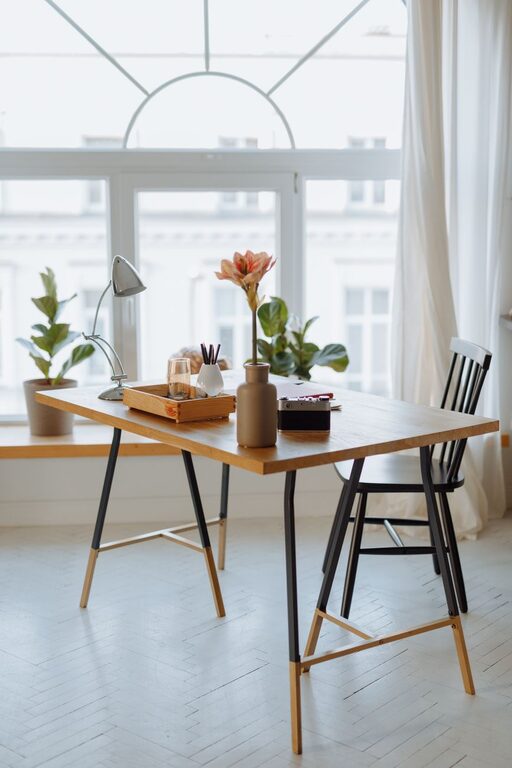
– Natural light: Position your desk near a window to take advantage of daylight. It can improve mood and reduce eye strain.
– Task lighting: Use a desk lamp with adjustable brightness for focused tasks, especially during evenings.
– Avoid glare: Arrange screens and lighting to reduce reflections that can cause discomfort.
Organize and Declutter
An organized workspace helps your mind stay clear and reduces distractions.
– Storage solutions: Use shelves, drawers, or filing cabinets to keep papers and supplies tidy.
– Desk organizers: Keep frequently used items within reach but neatly arranged.
– Minimalism: Regularly clear clutter to maintain a clean space that’s inviting to work in.
Personalize Your Space
Adding personal touches can make your office more enjoyable and inviting.
– Plants: Indoor plants improve air quality and add a calming natural element.
– Artwork or photos: Select inspiring images or photos that motivate you.
– Comfort items: Use cozy blankets, cushions, or a rug to add warmth and softness.
Manage Technology Efficiently
Technology is essential, but it can also create clutter and stress if not managed well.
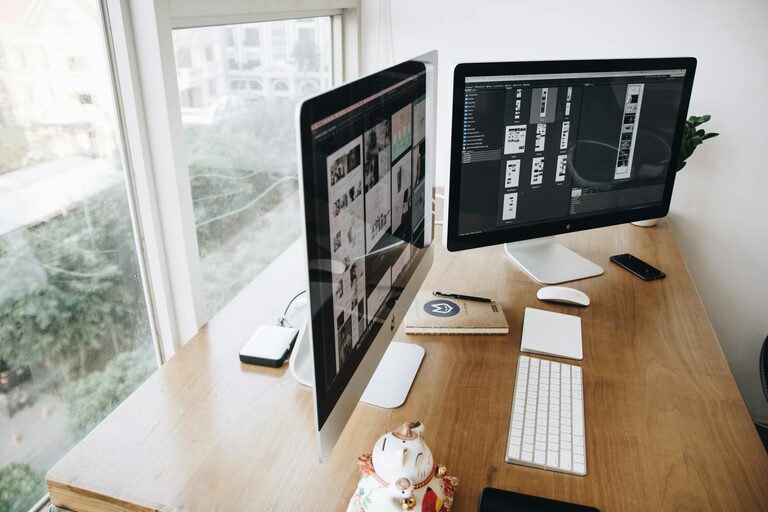
– Cable management: Use clips, sleeves, or boxes to keep cables neat and prevent tangling.
– Reliable internet: Ensure your connection is stable to avoid interruptions.
– Essential devices: Only keep devices you use regularly on your desk for a clutter-free work area.
Set Boundaries and Routine
Creating a dedicated workspace and following a routine can help separate work from home life.
– Work hours: Define specific working hours and stick to them.
– Breaks: Take regular breaks to rest your eyes and stretch.
– End of day ritual: Close your office space or put away work materials to signal the end of your workday.
Incorporate Healthy Habits
Your home office should support your well-being, not just your productivity.
– Ergonomic accessories: Consider wrist rests or footrests to reduce strain.
– Hydration: Keep a water bottle nearby to stay hydrated.
– Movement: Schedule short walks or stretches to stay active throughout the day.
Final Thoughts
Creating a cozy and productive home office is about blending comfort with practicality. By paying attention to your workspace location, furniture, lighting, organization, and personal touches, you can design an environment that motivates you and supports your work habits. Remember, a well-planned office not only boosts your productivity but also enhances your overall well-being during work hours. Take your time to customize your space and adjust it as needed to find what works best for you.
About the Author