Creating a sustainable and eco-friendly home environment is a rewarding goal that benefits both the planet and your quality of life. By making thoughtful choices, you can reduce your carbon footprint, save energy, and promote healthier living spaces. Whether you are starting from scratch or aiming to improve your existing home, here’s a comprehensive guide with practical tips to get you on the path toward sustainability.
Why Create an Eco-Friendly Home?
A sustainable home minimizes environmental impact through efficient use of resources. It often means less waste, lower energy bills, and a healthier indoor environment. With rising awareness about climate change and natural resource depletion, small changes at home can collectively make a big difference.
Energy Efficiency: Save Power and Cut Costs
1. Upgrade to Energy-Efficient Appliances
Look for appliances with the Energy Star label. These use less electricity and water while maintaining performance. From refrigerators to washing machines, an energy-efficient upgrade can reduce utility bills significantly.
2. Improve Insulation and Sealing
Proper insulation keeps your home warm in winter and cool in summer. Check windows, doors, attic, and walls for drafts and seal gaps with weatherstripping or caulk. This helps reduce the need for heating and air conditioning.
3. Use LED Lighting
Replace incandescent or halogen bulbs with LED lights. LEDs consume up to 80% less energy and last longer, reducing waste and the need for frequent replacements.
4. Install a Programmable Thermostat
A smart or programmable thermostat lets you control heating and cooling efficiently. Set lower temperatures when you’re away, and increase comfort when you return, saving energy without sacrificing convenience.
Water Conservation: Use Wisely
1. Fix Leaks Promptly
A dripping faucet or running toilet wastes a lot of water over time. Check for leaks regularly and repair them as soon as possible.
2. Install Water-Efficient Fixtures
Low-flow showerheads, faucets, and dual-flush toilets can significantly reduce water use without compromising performance.
3. Collect Rainwater
Consider setting up a rain barrel to collect rainwater for watering plants and gardens. This reduces dependence on municipal water supply and helps conserve this precious resource.
Waste Reduction: Manage and Reuse
1. Practice Recycling and Composting
Separate recyclables and food scraps from general waste. Composting organic waste instead of sending it to the landfill reduces methane emissions and produces nutrient-rich soil for your garden.
2. Choose Reusable over Disposable
Avoid single-use plastics like bags, bottles, and containers. Opt for reusable shopping bags, water bottles, and storage solutions.
3. Donate or Repurpose Items
Before throwing away unwanted items, consider donating, selling, or repurposing them. Get creative with old furniture or decor by upcycling instead of discarding.
Sustainable Materials and Furnishings
1. Select Eco-Friendly Building Materials
If renovating or building, choose sustainable materials like bamboo, reclaimed wood, recycled metal, or low-VOC (volatile organic compound) paints. These materials are less harmful to the environment and indoor air quality.
2. Buy Secondhand or Locally Made Products
Purchasing used furniture or locally produced goods reduces the environmental impact tied to manufacturing and transportation.
Indoor Air Quality and Natural Lighting
1. Use Plants to Purify Air
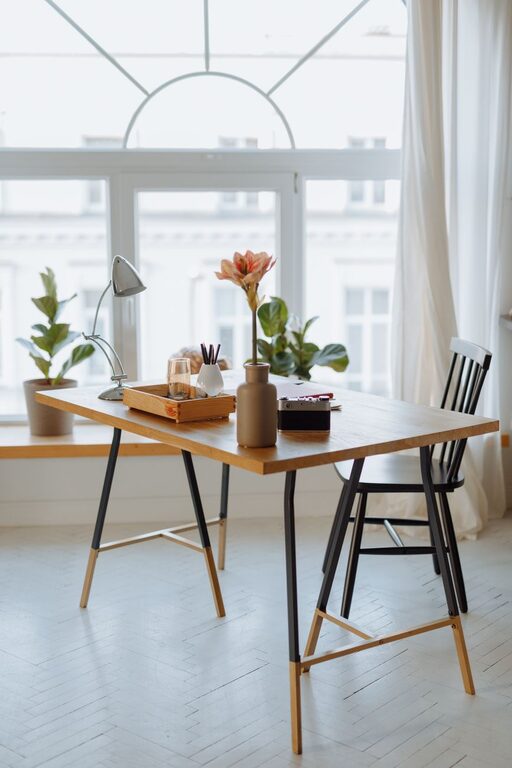
Many houseplants improve indoor air quality by absorbing toxins and producing oxygen. Good options include spider plants, snake plants, and peace lilies.
2. Maximize Natural Light
Arrange furniture and window treatments to make the most of daylight. Natural light reduces the need for artificial lighting and enhances well-being.
3. Avoid Harmful Chemicals
Choose natural cleaning products and avoid synthetic fragrances or harsh chemicals that can pollute indoor air.
Sustainable Gardening and Landscaping
1. Grow Your Own Food
Starting a vegetable or herb garden reduces reliance on store-bought produce and cuts down on packaging waste. Even small balcony or windowsill containers can be productive.
2. Use Native Plants
Native plants require less water and maintenance as they are adapted to local climate conditions. They also support local wildlife and pollinators.
3. Practice Mulching and Composting
Mulching retains soil moisture and suppresses weeds, reducing water and chemical use. Compost from kitchen scraps enriches garden soil naturally.
Final Thoughts
Transitioning to a sustainable and eco-friendly home environment may seem challenging at first, but small steps add up quickly. Focus on energy and water efficiency, waste reduction, and using sustainable materials. By embracing eco-conscious habits, you contribute to a healthier planet and create a comfortable, inviting home.
Start today by picking one or two tips that fit your lifestyle, and over time, expand your efforts to make your home a true model of sustainability. Every action counts!
About the Author