
Creating a productive home office space is essential for anyone working remotely or managing tasks from home. A well-designed workspace can improve focus, reduce distractions, and boost efficiency. Whether you have a dedicated room or a small corner, the following tips will help you set up a home office that supports your work needs and promotes productivity.
1. Choose the Right Location
Selecting the right spot for your home office lays the foundation for productivity.
– Find a quiet area: Choose a space away from household noise and distractions to help maintain focus.
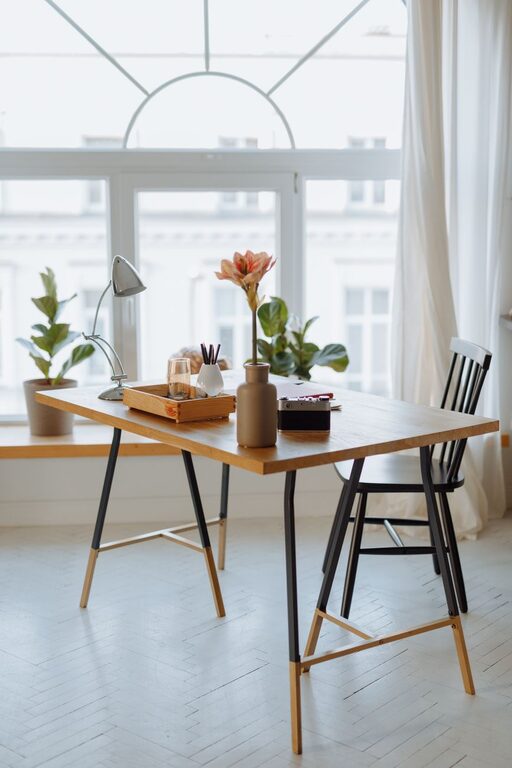
– Consider natural light: A well-lit area with plenty of natural light can improve mood and reduce eye strain.
– Ensure privacy: If possible, pick a location that allows privacy during meetings or calls.
If you don’t have a separate room, try to carve out a corner in your living room or bedroom. Use room dividers or curtains to create boundaries.
2. Invest in Comfortable and Functional Furniture
Comfort plays a big role in how long and how well you work.
– Ergonomic chair: Choose a chair that supports your back and encourages good posture.
– Appropriate desk height: Your desk should allow your arms to rest comfortably while typing.
– Adjustable furniture: Adjustable desks or chairs let you customize your setup.
A clutter-free desk with enough surface area for your computer, notebooks, and other essentials will keep you organized and efficient.
3. Organize Your Workspace Efficiently
An organized workspace reduces stress and helps you find what you need quickly.
– Use storage solutions: Shelves, filing cabinets, and drawer organizers can keep papers and supplies tidy.
– Minimize clutter: Keep only necessary items on your desk. Store away anything you don’t use daily.
– Label items: Clear labeling of files and containers speeds up retrieval.
Set up a cable management system to avoid tangling wires, which can be distracting and unsafe.
4. Set Up Proper Lighting
Adequate lighting is vital for maintaining productivity and reducing fatigue.
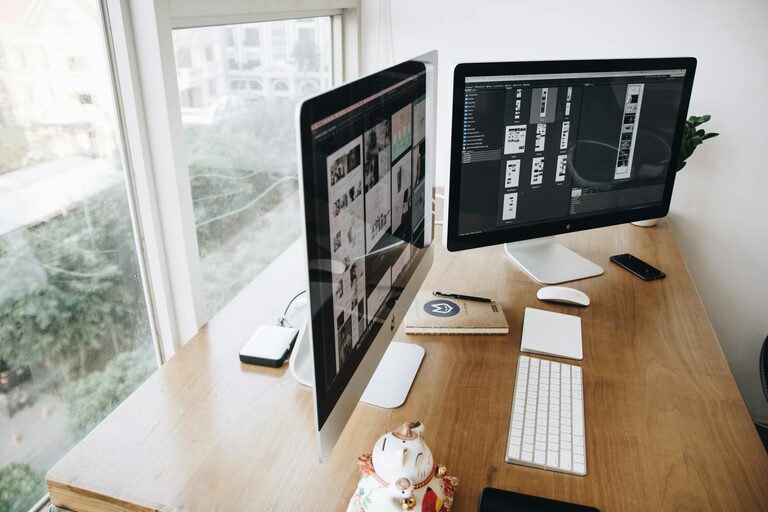
– Natural light: Whenever possible, position your desk near a window.
– Task lighting: Use desk lamps with adjustable brightness for focused work.
– Avoid glare: Position screens to avoid reflections or direct sunlight that may hurt your eyes.
Warm, soft light helps create a comfortable ambiance, while cooler light focuses attention and energy.
5. Personalize Your Space
Adding personal touches makes your space inviting and motivating.
– Add plants: Houseplants improve air quality and create a calming environment.
– Include inspiring items: Photos, artwork, or motivational quotes can boost morale.
– Use colors thoughtfully: Choose colors that promote concentration, such as calming blues or energetic yellows.
Just be mindful not to overcrowd the space with decorations, which can cause distractions.
6. Minimize Distractions
Creating boundaries can help protect your working time.
– Set clear work hours: Communicate your schedule with family or housemates.
– Use noise-cancelling headphones: These help block out background noise.
– Turn off notifications: Silence unnecessary alerts on your computer and phone during work.
Consider a “Do Not Disturb” sign if you share your home to signal when you are working.
7. Integrate Technology Efficiently
Having the right technology can simplify your tasks and increase efficiency.
– Reliable internet connection: A fast and stable connection is essential.
– Use quality peripherals: Comfortable keyboards, mice, and monitors reduce strain.
– Organize digital files: Keep your computer desktop and folders tidy for quick access.
Regularly update software and back up important files to avoid technical issues.
8. Incorporate Movement and Breaks
Staying still for long hours can affect your health and productivity.
– Take regular breaks: Stand, stretch, or walk for a few minutes every hour.
– Use a standing desk: Switch between sitting and standing to improve circulation.
– Exercise nearby: Keep light exercise equipment or a yoga mat close by for quick movement.
These habits help maintain energy and reduce discomfort during the day.
—
Creating a productive home office space doesn’t require a large budget or area. Thoughtful choices about location, furniture, organization, lighting, and technology can transform your workspace into an efficient, comfortable, and inspiring environment. By blending functionality with personalization, you can set yourself up for success every day.
About the Author