Creating a home office that is both cozy and productive can greatly improve your work-from-home experience. Whether you are working remotely full-time or occasionally, having a dedicated space that makes you feel comfortable and focused helps enhance efficiency and wellbeing. In this guide, we’ll share practical tips and ideas on setting up a home office that encourages productivity while maintaining a warm and inviting atmosphere.
Choose the Right Location
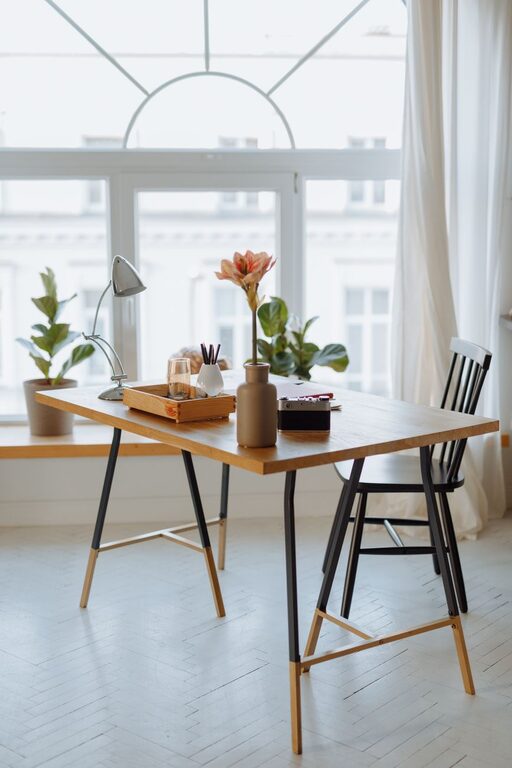
Selecting the best spot for your home office is step one. Ideally, pick a quiet corner or a separate room where you can work without frequent interruptions. Natural light is a big plus, so consider placing your desk near a window. This not only brightens the space but also gives a view that can provide mental breaks during long work sessions.
If a dedicated room isn’t an option, create a defined area using room dividers, rugs, or furniture placement. This helps separate your workspace from living areas and signals to your brain that it’s work time.
Invest in Ergonomic Furniture
Your comfort impacts your productivity significantly. Investing in ergonomic furniture helps avoid discomfort that can distract you during the day. Choose a chair that supports your lower back and allows your feet to rest flat on the floor. An adjustable desk can be a great addition if you want the option to alternate between sitting and standing.
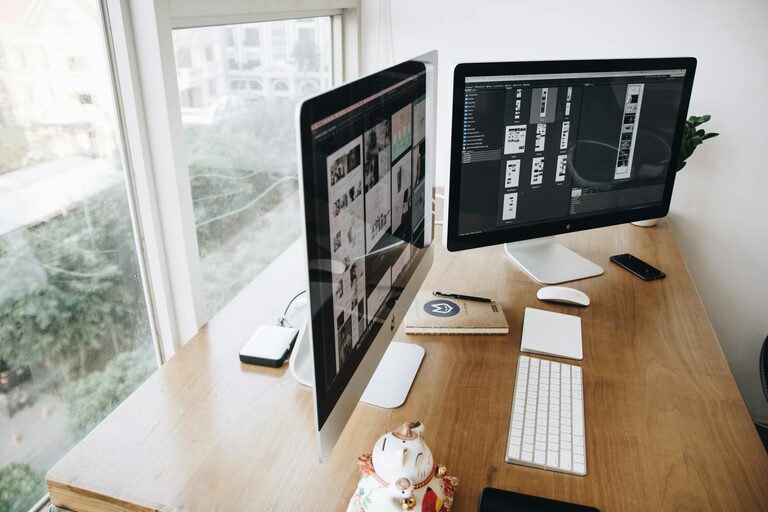
Ensure your desk is the right height to keep your shoulders relaxed while typing, and position your computer screen at eye level to reduce neck strain. Small adjustments here can make a big difference in how you feel after hours of work.
Personalize Your Space
A cozy office encourages you to spend time there and feel motivated. Add personal touches like artwork, plants, or photos that inspire you. Plants, in particular, improve air quality and bring a touch of nature indoors, which can boost mood and concentration.
Consider soft textiles, such as a small rug or cushy cushions, to warm up the area. These elements contribute to a welcoming atmosphere without overcrowding the workspace.
Keep Clutter Under Control
A tidy desk clears your mind. Too much clutter is distracting and can make it hard to focus. Use organizers, file holders, and drawers to keep essential items in order. Regularly declutter your workspace by removing papers or objects you don’t need.
Digital clutter matters, too. Keep your desktop and browser tabs organized, and use apps or tools to manage tasks efficiently.
Optimize Lighting
Good lighting is key to reducing eye strain and maintaining alertness. Besides natural light, invest in a quality desk lamp with adjustable brightness and color temperature. Opt for warm or neutral white light, which is less harsh than blue-white light and creates a cozier environment.
Position lighting to avoid glare on your computer screen and shadows on your work surface.
Minimize Noise Distractions
Noise can disrupt your concentration. If your home is noisy, consider soundproofing options like heavy curtains, rugs, or acoustic panels. Noise-canceling headphones can also be helpful, letting you listen to calming background music or white noise.
Communicate your work schedule with family or housemates to reduce interruptions during important tasks or meetings.
Establish a Routine and Boundaries
Creating a cozy and productive space is not just about the physical environment but also about how you use it. Set regular working hours and take breaks away from your desk. Use your office only for work-related activities to help your brain associate the space with productivity.
When the workday ends, close your office door or clear your workspace to signal a transition from work to relaxation.
Add Functional Accessories
Small additions can improve your workflow and comfort. For example:
– A water bottle or mug within reach keeps you hydrated.
– A whiteboard or corkboard helps track important deadlines and ideas.
– Cable organizers keep wires neat and out of the way.
– A footrest can improve posture during long hours of sitting.
Final Thoughts
Designing a home office that is cozy and productive requires balancing comfort, organization, and functionality. By selecting the right location, investing in ergonomic furniture, personalizing your space, and maintaining good lighting and noise control, you set yourself up for focused and enjoyable workdays at home. Remember, the best workspace is one that suits your individual needs and inspires you to do your best.
Start implementing these tips today to transform your home office into a place where productivity and comfort go hand in hand.
About the Author