Creating a cozy and productive home workspace is essential for anyone who spends significant time working from home. A well-designed workspace can improve focus, reduce stress, and make your workday more enjoyable. Whether you have a dedicated room or just a small corner, these tips will help you transform your area into an inviting and efficient place to work.
Choose the Right Location
Consider Natural Light
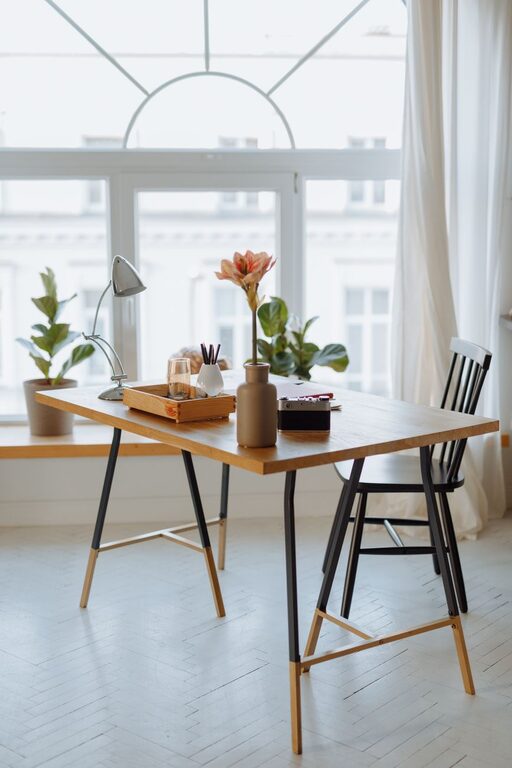
Start by selecting a spot that has plenty of natural light. Sunlight helps regulate your body clock and can make you feel more alert and energized throughout the day. Position your desk near a window if possible, but be mindful of glare on your screen.
Minimize Distractions
Pick a quiet area where you can focus without interruptions. This might mean using a separate room, a corner of your living room, or even a section of your bedroom. The key is to create boundaries between your work and personal life.
Invest in Comfortable Furniture
Select an Ergonomic Chair
Comfort is critical when you’re sitting for long periods. An ergonomic chair supports your back and encourages good posture, helping to prevent discomfort and fatigue.
Use a Suitable Desk
Your desk should be big enough to hold your computer, essential tools, and some personal touches, but not so cluttered that it gets overwhelming. Adjustable desks that allow you to alternate between sitting and standing can be very beneficial.
Organize Your Workspace Efficiently
Declutter Daily
Keep your work area tidy by removing unnecessary items at the end of each day. A clear space promotes clear thinking and reduces stress.
Use Storage Solutions
Shelving units, drawers, and organizers can help you keep documents, stationery, and gadgets in order. Labeling storage containers also saves time searching for things.
Personalize Your Space
Add Plants
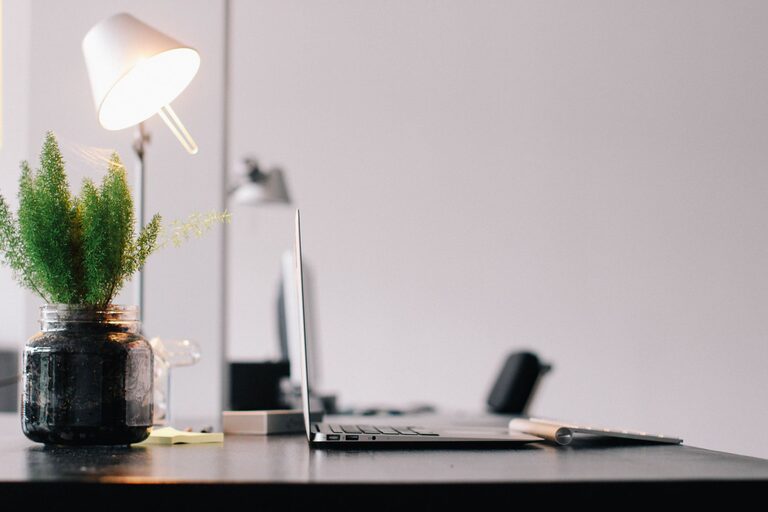
Indoor plants bring a bit of nature indoors and can improve air quality. They also add color and create a calming atmosphere.
Decorate Thoughtfully
Incorporate artwork, photos, or inspirational quotes that motivate you. However, avoid too many decorations that might distract you.
Manage Lighting Wisely
Combine Natural and Artificial Light
Besides natural light, use task lamps or adjustable lighting to reduce eye strain. Soft, warm light can create a cozy feeling, especially in the evening.
Avoid Screen Glare
Position your computer and lights to prevent glare on your screen. This helps reduce eye fatigue and headaches.
Establish Healthy Work Habits
Set a Routine
Having a set schedule helps your mind switch into work mode. Begin your day at a consistent time and plan regular breaks.
Incorporate Movement
Stand up, stretch, or walk around every hour to keep your body limber and circulation flowing.
Keep Hydrated and Snack Smartly
Keep a water bottle nearby and choose healthy snacks to maintain energy levels.
Use Technology to Your Advantage
Choose the Right Equipment
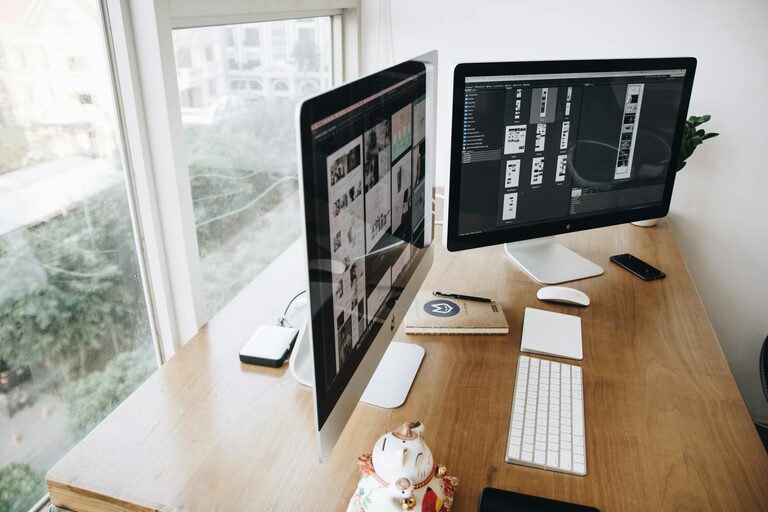
Make sure your computer, keyboard, and mouse are comfortable to use. A second monitor can boost productivity if your work requires it.
Manage Noise
If background noise is an issue, consider noise-cancelling headphones or soft background music to maintain focus.
Keep a Clear Separation Between Work and Personal Life
Define Work Hours
Resist the temptation to work all day by defining when your work starts and ends. This helps reduce burnout.
Create a Closure Routine
At the end of your workday, tidy your desk and turn off your computer. This signals the end of the workday and helps you relax.
—
By thoughtfully designing your home workspace for both comfort and productivity, you can create an environment that supports your work and well-being. Small changes in lighting, organization, and furniture can make a big difference in how you feel and perform during the workday. Remember, the best workspace is one that fits your unique needs and preferences.
About the Author