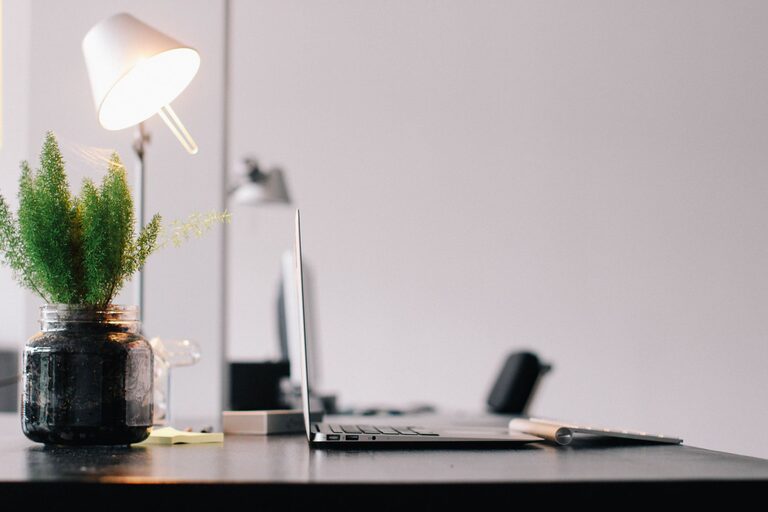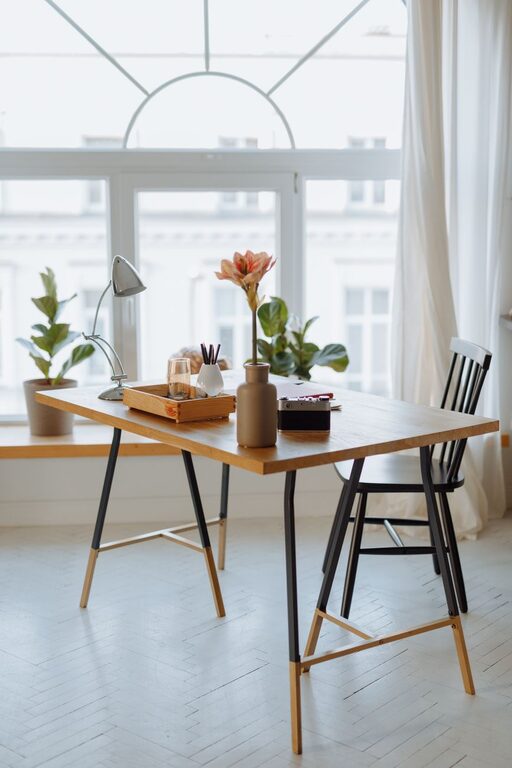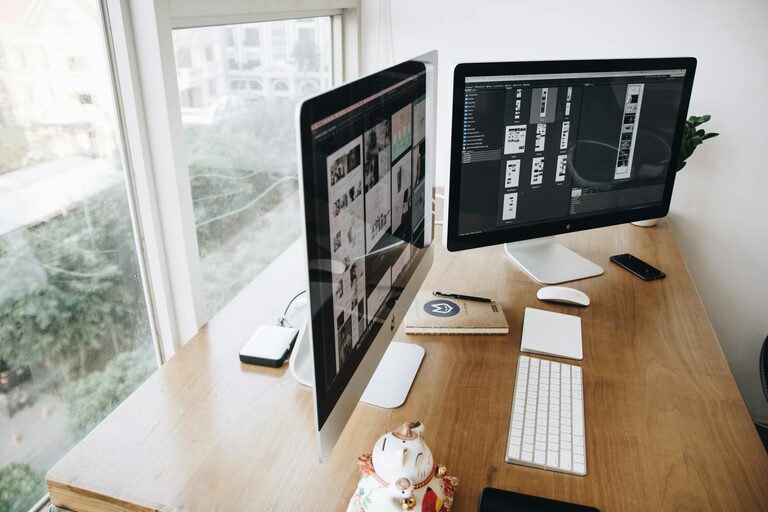
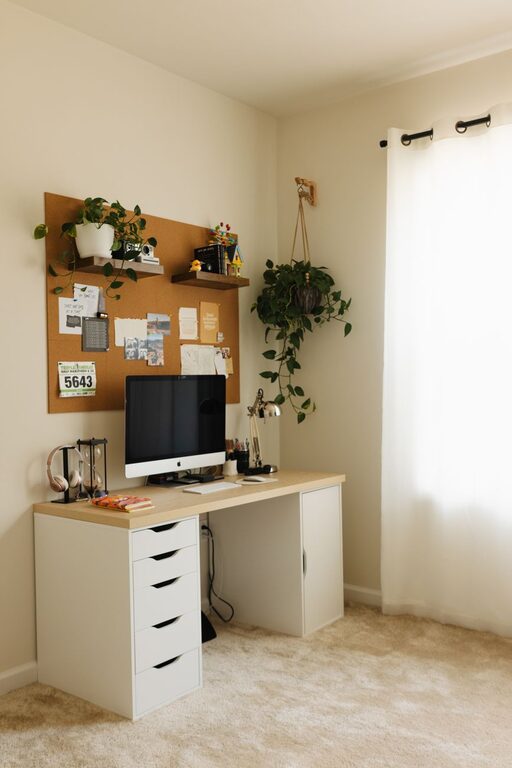
Creating a home workspace that is both inviting and productive is essential for anyone working remotely or managing tasks at home. A thoughtfully designed area can enhance focus, reduce stress, and make your workday more enjoyable. Whether you have a dedicated room or a small corner, these tips will help you build a space tailored to your needs.
Choose the Right Location
Selecting the best spot in your home is the foundation of an effective workspace.
– Quiet and Private: Find a place with minimal distractions to help maintain concentration.
– Natural Light: Position your desk near a window if possible; natural light improves mood and reduces eye strain.
– Comfortable Temperature: Avoid areas prone to drafts or excessive heat to keep comfortable throughout your workday.
If space is limited, consider portable solutions like foldable desks or a laptop stand that can be stowed away when not in use.
Invest in Ergonomic Furniture
Comfort is key to productivity and avoiding physical discomfort.
– Supportive Chair: Choose a chair with good lumbar support and adjustable height. Sitting comfortably decreases fatigue.
– Desk Height: Ensure your desk height allows your forearms to rest parallel to the floor while typing.
– Monitor Position: Keep your monitor at eye level, about an arm’s length away, to avoid neck strain.
Standing desks or adjustable desks can offer flexibility for sitting and standing, which benefits your health.
Organize Your Space
Clutter can be a major productivity killer. Keep your workspace tidy and organized.
– Use Storage Solutions: Shelves, drawers, and organizers help keep supplies and paperwork in order.
– Declutter Regularly: Take a few minutes each day to clear unnecessary items.
– Cable Management: Use clips or cable sleeves to prevent cords from tangling and creating distractions.
A clean workspace helps your mind stay clear and focused on the task at hand.
Personalize Your Environment
Adding personal touches can make your workspace more inviting and motivating.
– Decor: Incorporate items like plants, artwork, or photos that inspire you.
– Colors: Use calming colors such as blues and greens or energizing colors like yellow, depending on what lifts your mood.
– Lighting: Include a desk lamp with adjustable brightness for those late work hours.
Personalization makes your workspace feel like your own and encourages a positive mindset.
Minimize Distractions
Managing distractions is critical for staying productive.
– Set Boundaries: Let family or housemates know your working hours.
– Use Noise Control: Noise-canceling headphones or white noise machines may help block background sounds.
– Limit Technology Interruptions: Turn off non-work-related notifications and apps during focus periods.
Creating a focused environment will allow you to make the most of your time.
Establish a Routine
A consistent routine helps your brain switch into work mode.
– Set Regular Hours: Try to start and finish work at the same time daily.
– Breaks: Include short breaks to stretch, rest your eyes, and recharge.
– Start-Up Rituals: Develop habits like making a cup of coffee or reviewing your to-do list before starting work.
Routine promotes discipline and helps separate work from leisure.
Enhance Technology and Tools
Having the right tools makes tasks smoother and less frustrating.
– Reliable Internet: Ensure your connection is stable and fast enough for your work needs.
– Quality Equipment: Invest in a good keyboard, mouse, and headset if your work involves frequent typing or calls.
– Backup Systems: Use cloud storage or external drives to prevent data loss.
Proper technology support boosts efficiency and reduces downtime.
Maintain Work-Life Balance
Separating work from personal life is important when your workspace is at home.
– End-of-Day Ritual: Shut down your computer and tidy your desk to signal the end of the workday.
– Designated Workspace: Avoid working from the couch or bed to clearly distinguish work time.
– Take Time Off: Step away from your workspace during off-hours to relax and recharge.
Balancing work and rest helps prevent burnout and improves overall well-being.
—
By following these tips, you can design a home workspace that not only promotes productivity but also feels welcoming and comfortable. Remember that tailoring your space to your personal preferences and needs is the key to sustained success and happiness while working from home.
About the Author